
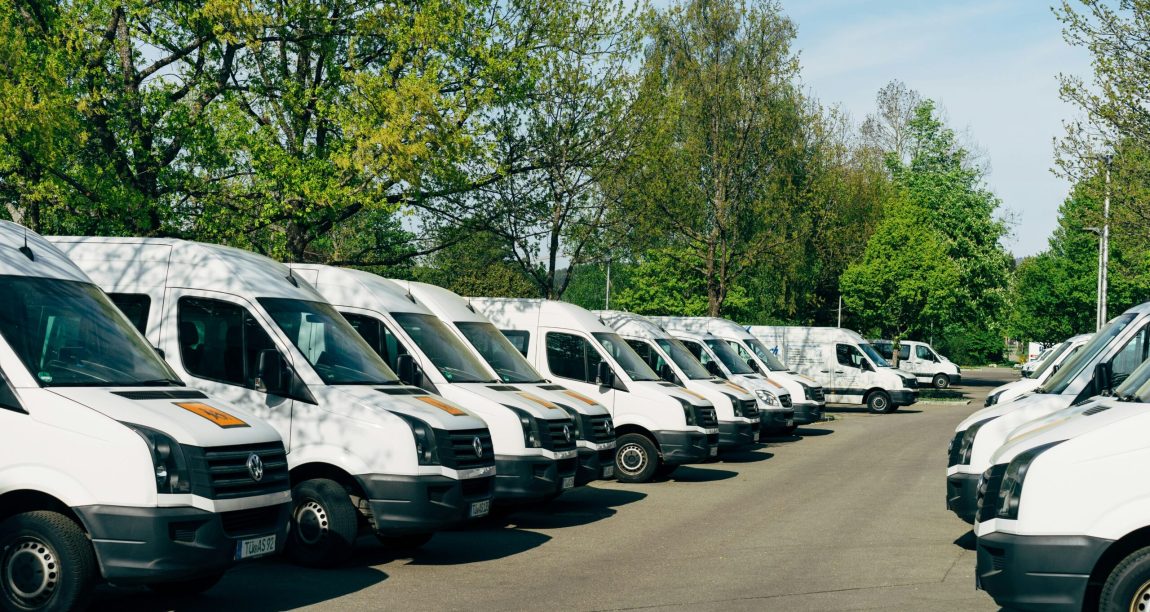
In a significant move for the UK’s e-commerce landscape, the Yodel brand is set to be phased out following its acquisition by parcel locker giant InPost. The name, which for many online shoppers has become synonymous with missed deliveries and poor service, will disappear from UK high streets and doorsteps. This strategic decision is part of a major push by InPost to overhaul its UK operations, combining Yodel’s extensive courier network with its own popular out-of-home locker services.
For years, UK consumers have voiced frustrations with parcel deliveries, and the Yodel brand has often been at the centre of these complaints. The move by InPost signals a clear intention to shed this negative brand image and build a new reputation based on reliability and choice. This article explores the details of the rebranding, what it means for online shoppers and retailers, and the broader trends shaping the future of parcel delivery.
The End of a Notorious Delivery Brand
Yodel has consistently ranked among the worst-performing courier services in the UK. In the annual parcel league table from Citizens Advice, Yodel, alongside Evri, has frequently occupied the bottom spots. The 2023 survey gave Yodel an overall score of just two out of five stars, with nearly a third of customers reporting a problem with their delivery. These issues ranged from parcels being left in insecure locations to significant delays and damaged goods.
By retiring the Yodel name, InPost is making a calculated move to distance itself from this legacy of customer dissatisfaction. Building a successful brand in the competitive logistics market is about more than just delivering packages; it’s about trust and reliability. A negative brand reputation can directly impact e-commerce retailers, as a poor delivery experience often reflects on the seller, not just the courier. Phasing out the Yodel brand is the first step in a long-term strategy to rebuild that trust with UK consumers.
InPost’s Vision for a Hybrid Delivery Network
InPost, a Polish company, has seen rapid growth across Europe thanks to its network of automated parcel machines (APMs), or lockers. These lockers offer a convenient and secure alternative to home delivery, allowing customers to pick up or drop off parcels 24/7. However, to compete with full-service logistics providers, InPost needed a robust “to-door” delivery capability. The acquisition of Yodel provides exactly that.
The plan is to create a multi-channel service that gives consumers maximum flexibility. As confirmed by InPost in a February 2024 announcement, the integration of Yodel’s network will create a formidable competitor in the UK market. Shoppers will be able to choose what works best for them on any given day: a secure locker pickup on their commute, a delivery to a local shop (PUDO point), or a traditional delivery directly to their home. This integrated approach aims to combine the scale of Yodel’s operations with the modern, tech-driven convenience that defines the InPost brand.
What Does This Mean for Online Shoppers?
For consumers, the phasing out of Yodel and its integration into InPost could bring several positive changes. The most immediate benefit is the promise of enhanced choice and a more reliable service under a single, accountable brand.
The key question is whether InPost can successfully improve the quality of the door-to-door service that Yodel struggled with. The intention is to merge InPost’s technology, which provides real-time tracking and customer communication, with Yodel’s existing infrastructure and workforce. If successful, this could lead to a significant reduction in the common frustrations associated with last-mile delivery, such as vague delivery windows and failed delivery attempts.
Impact on E-commerce and Online Retailers
This industry shake-up has major implications for online businesses. The “last mile” of delivery is a critical part of the customer journey, and a retailer’s choice of courier partner can make or break their reputation. A delivery service that offers flexibility and reliability is a powerful tool for enhancing customer satisfaction and encouraging repeat business.
The newly expanded InPost network will offer retailers a more versatile logistics partner, capable of handling different types of customer preferences. The potential benefits for businesses include:
- Integrated Delivery Options: A single partner for managing home deliveries, locker drop-offs, and PUDO points simplifies logistics.
- Improved Customer Experience: By offering more delivery choices, retailers can reduce cart abandonment and increase conversion rates.
- Greater Reliability: The focus on improving service quality under the InPost brand should lead to fewer customer complaints and returns related to delivery issues.
- Competitive Advantage: Businesses that partner with a modern, flexible logistics provider can stand out in a crowded e-commerce market.
The Future is Flexible and Out-of-Home
The InPost-Yodel deal reflects a broader trend in the logistics industry towards out-of-home (OOH) delivery. According to market analysis, the OOH delivery market in the UK is projected to grow significantly as urban density and e-commerce volumes increase. This model offers several advantages over traditional home delivery.
Firstly, it is often more sustainable, as couriers can deliver dozens or even hundreds of parcels to a single locker location instead of driving to individual addresses. This reduces vehicle miles and carbon emissions. Secondly, it solves the problem of failed deliveries when people are not at home, which is a major cost and frustration for both consumers and couriers. As consumer habits evolve, the demand for this kind of flexibility is only set to grow.
By phasing out the Yodel brand, InPost is not just changing a name; it is signalling a major transformation in its approach to the UK market. The goal is to build a comprehensive delivery network that combines traditional and modern methods, offering a seamless and reliable experience for everyone. For online shoppers and businesses alike, this could finally mean a more positive and predictable answer to the question: “When will my parcel arrive?”