
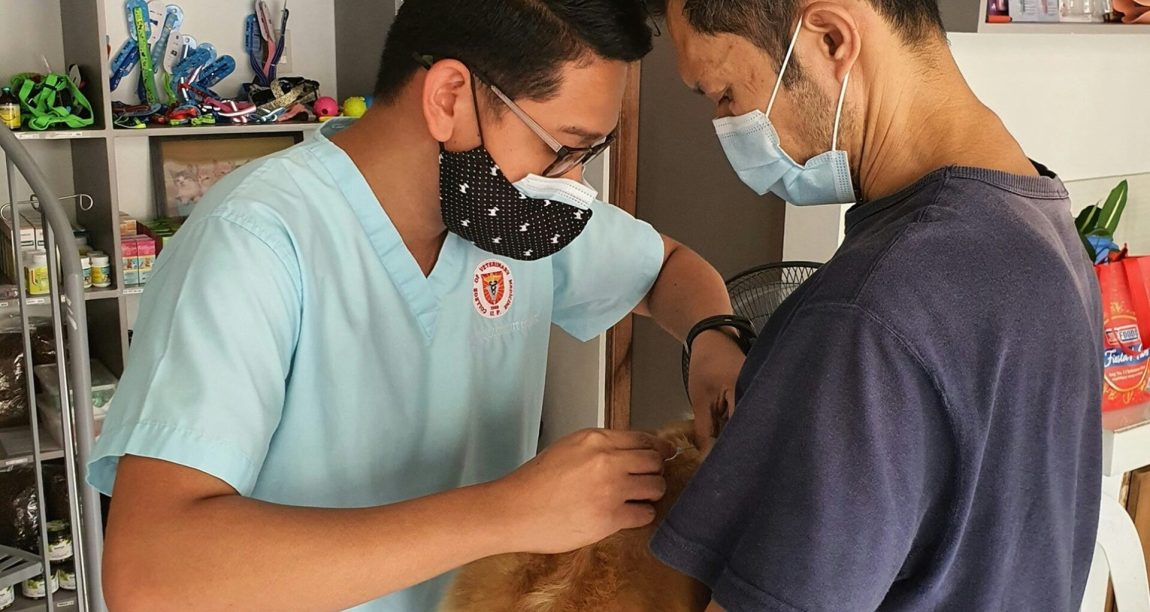
The veterinary industry is at a crossroads. For decades, the local vet clinic has been a community staple, but rising pet ownership and a new generation of pet parents who view their animals as family have placed unprecedented strain on this traditional model. The result is a high-pressure environment for veterinary professionals and a stressful experience for pets. However, a new breed of vet startup is emerging, one that throws out the old playbook and redesigns the entire clinical experience from a pet’s perspective.
The Challenges of a Tight Veterinary Market
To understand why these startups are so disruptive, it’s essential to grasp the challenges plaguing the modern veterinary industry. The sector is grappling with a perfect storm of consolidation, staffing shortages, and professional burnout. Large corporate players have been acquiring independent clinics at a rapid pace, creating a more homogenized and bottom-line-driven environment.
This pressure cooker has taken a toll on the professionals themselves. According to the Centers for Disease Control and Prevention (CDC), veterinarians are at a significantly higher risk of suicide than the general population. Long hours, high student debt, and the emotional weight of the job contribute to staggering rates of burnout. Compounding this issue is a critical labor shortage. The American Veterinary Medical Association (AVMA) has highlighted a growing need for more veterinarians and, crucially, veterinary technicians, to meet the demands of the nation’s 85 million pet-owning households.
A New Breed of Clinic: Getting Down to Pet Level
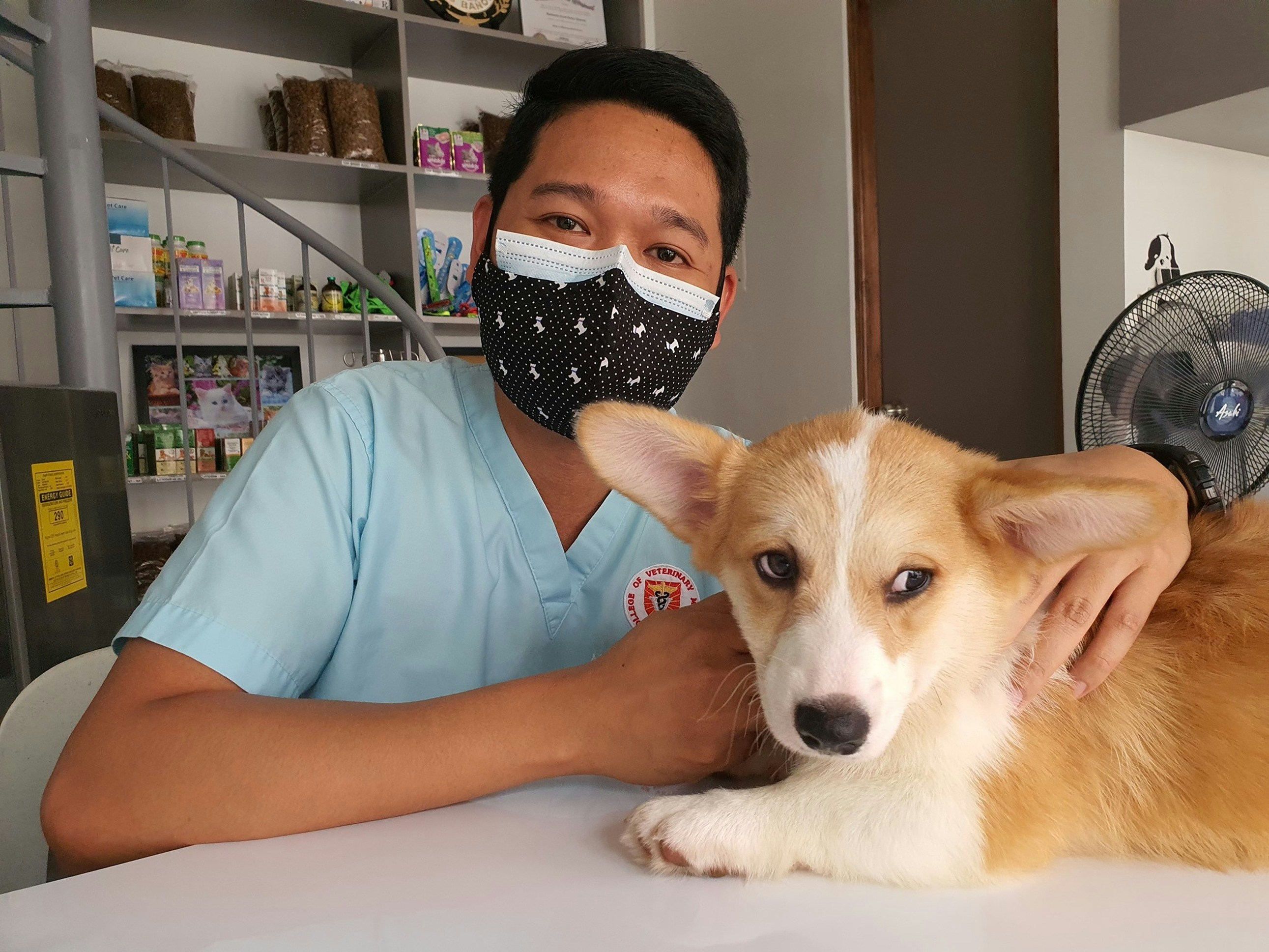
Seeing these gaps, innovative startups are reimagining what a vet clinic can be. Their approach is holistic, focusing not just on medicine but on the emotional and psychological well-being of both the animals they treat and the staff they employ. They are, quite literally, getting down to a dog’s level.
Designing for Calm
The typical vet clinic—with its slippery linoleum floors, sterile smell, and crowded waiting rooms—can be a terrifying place for an animal. New clinics are designed as calm, welcoming spaces. This includes:
- Separate Entrances & Waiting Areas: Minimizing stressful interactions by having separate zones for dogs and cats.
- Pet-Friendly Materials: Using non-slip, textured flooring to help animals feel more secure and less anxious.
- Soothing Ambiance: Employing circular room designs (which feel less intimidating to animals), calming color palettes, and species-specific pheromone diffusers to reduce stress.
A Focus on Fear-Free® Practices
Many of these startups are built around the principles of Fear Free® handling. This certification program trains veterinary professionals to recognize and alleviate fear, anxiety, and stress in their patients. Instead of forcing a scared animal onto an exam table, a Fear Free professional might conduct the exam on the floor, use high-value treats as distractions, or employ gentle handling techniques. This not only creates a better experience but also allows for a more thorough and accurate medical assessment.
Technology-Driven Patient Care
Modern startups are leveraging technology to streamline operations and enhance the client experience. User-friendly mobile apps allow for seamless appointment booking, access to medical records, and direct communication with the vet team. Telehealth services are becoming standard, offering convenient follow-up consultations and triage for non-emergency issues, saving pet owners a trip to the clinic while providing timely advice.
Tackling the Recruitment Crisis Head-On
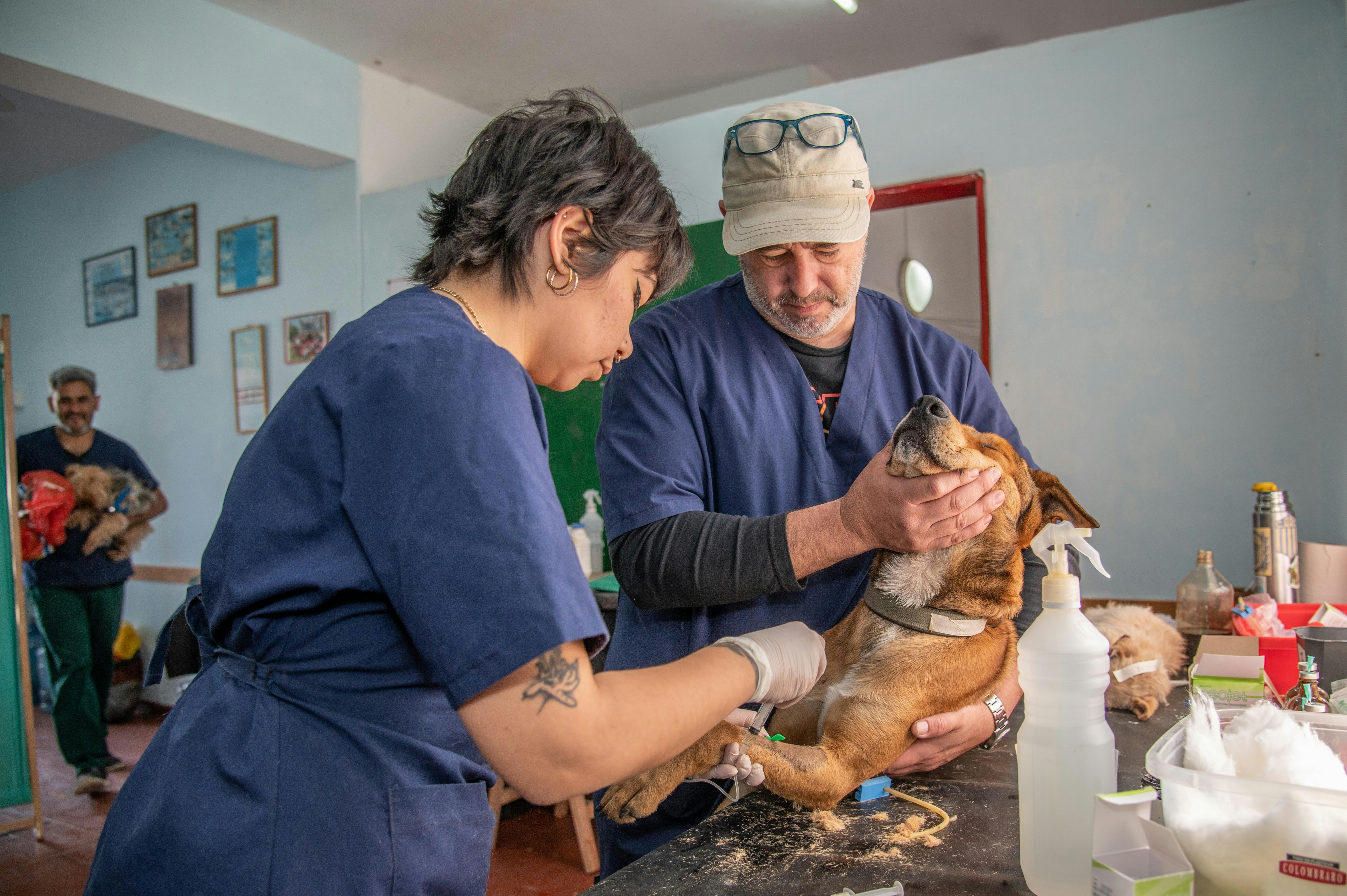
Perhaps the most significant innovation of these vet startups is their approach to people. In an industry facing a recruitment and retention crisis, they are attracting top talent by creating a workplace that values its employees as much as its patients. This is not about flashy perks, but fundamental changes to work culture.
Prioritizing Work-Life Balance
The days of grueling 12-hour shifts and on-call weekends are being replaced by more sustainable models. Startups are offering predictable schedules, prohibiting toxic “just-stay-late” cultures, and providing robust mental health resources. They understand that a burned-out vet cannot provide compassionate care, so they invest heavily in preventing burnout from the start.
Fostering a Positive and Empowering Culture
These new companies are flattening traditional hierarchies. Veterinary technicians—who are often underutilized in traditional settings—are empowered to work at the top of their license, taking on more responsibility in patient care and client education. This not only improves efficiency but also provides a clear path for professional growth, making it a more attractive long-term career. Open communication and a team-based approach are prioritized over top-down management.
Offering Competitive Compensation and Growth
To compete with large corporations, startups are getting creative with compensation. This often includes not just competitive salaries and comprehensive benefits but also equity or ownership stakes in the business. By giving employees a piece of the pie, these startups foster a shared sense of purpose and investment in the clinic’s success, creating a loyal and motivated team.
The Future of Veterinary Services
The rise of the pet-centric vet startup is more than just a trend; it is a necessary evolution. By prioritizing the well-being of animals and staff alike, these companies are setting a new standard for the entire industry. They demonstrate that excellent medical care, a positive client experience, and a healthy work environment are not mutually exclusive goals, but are, in fact, deeply interconnected.
As pet ownership continues to grow, and as more owners demand a higher standard of care, the pressure will be on all veterinary providers to adapt. The innovative, empathetic, and people-first model pioneered by these startups provides a powerful blueprint for a healthier, more sustainable future for the entire veterinary profession.