
We’ve Seen the Future of Retail, and Many Stores Aren’t Prepared
The world of retail is undergoing a seismic shift. We are increasingly shopping online, a trend that has moved from a convenience to a default for millions of consumers globally. This fundamental change, accelerated by recent world events, is drastically shaking up the traditional retail landscape. While some businesses have pivoted with impressive agility, many are struggling to keep pace, leaving them vulnerable in a marketplace that waits for no one. The future isn’t just coming; it’s already here, and it demands a radical rethinking of what it means to be a retailer.
The Motley Fool’s CIO, Scott Phillips, highlighted this very issue, noting that the disruption is profound and that many established players simply aren’t ready. It’s not just about having a website anymore; it’s about creating a seamless, integrated, and customer-centric experience that blends the digital and physical worlds.
The Unstoppable Rise of E-commerce
To understand the future, we must first appreciate the scale of the present disruption. Online shopping is no longer a niche segment but a dominant force in the global economy. According to the U.S. Census Bureau, e-commerce sales have consistently grown, capturing an ever-larger slice of the total retail pie. In the first quarter of 2024, e-commerce accounted for 15.9% of total retail sales in the United States, a figure that continues to trend upward.
This growth is fueled by changing consumer expectations. Shoppers now demand convenience, personalization, speed, and competitive pricing. They want to browse products on their phones, read reviews, compare prices across multiple vendors, and have their purchases delivered to their doorstep in a matter of days, if not hours. Online-native companies like Amazon have set a high bar for customer experience, and traditional retailers are being judged by that same standard.
Why Traditional Retail Models Are Failing
For decades, the brick-and-mortar retail model was straightforward: secure a good location, manage inventory, and serve customers who walk through the door. Today, that model is burdened with challenges that make it difficult to compete with leaner, digital-first competitors.
Key Challenges Include:
- High Overhead Costs: Physical stores come with significant expenses, including rent, utilities, property taxes, and the salaries of a large on-site staff. These fixed costs put them at a disadvantage against e-commerce businesses with centralized warehouses and lower overhead.
- Inventory Management Issues: Traditional retailers often struggle with siloed inventory systems. A product might be out of stock online but available in a physical store, or vice versa, leading to lost sales and customer frustration.
- A Lack of Data-Driven Personalization: Online retailers collect vast amounts of data on customer behavior, allowing them to offer personalized recommendations and targeted promotions. Many physical stores lack the infrastructure to capture and leverage this kind of data effectively.
- Evolving Customer Journey: The path to purchase is no longer linear. A customer might see a product on social media, research it on their laptop, visit a store to see it in person, and then buy it from their phone. Retailers who can’t support this multi-channel journey are being left behind.
The Path Forward: The Omni-Channel Revolution
The future of retail is not a battle between online and offline; it’s about the integration of both. This is the core of the omni-channel strategy—a model where all sales and marketing channels work together to create a unified and seamless customer experience. This is how savvy retailers are not just surviving, but thriving.
Embracing the Store of the Future
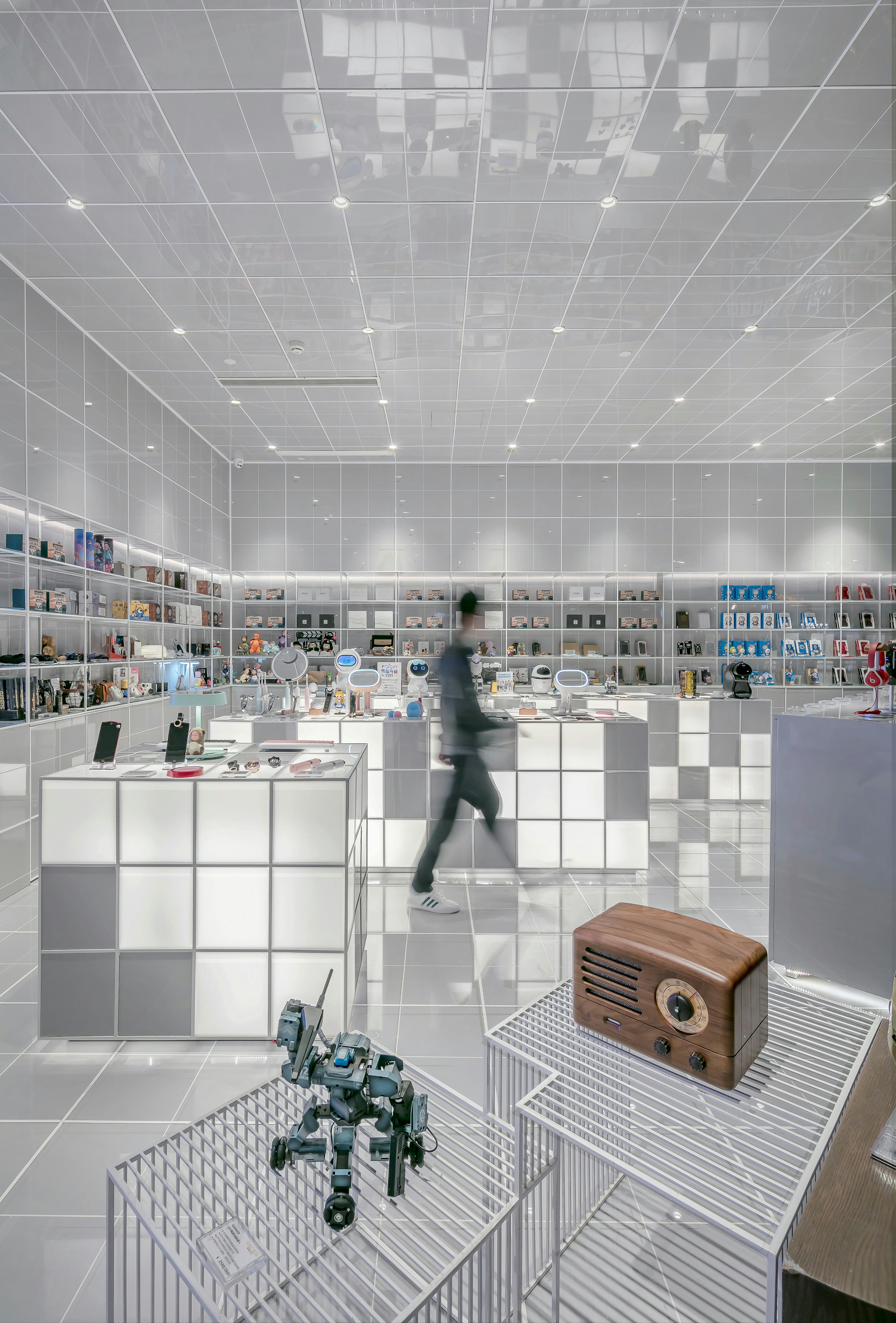
In an omni-channel world, the physical store evolves. It’s no longer just a point of sale but becomes a crucial part of the customer experience ecosystem. Here are the key strategies leading the way:
- Buy Online, Pick-up In-Store (BOPIS): Also known as “click-and-collect,” this model leverages physical locations as fulfillment centers. It offers customers the convenience of online shopping with the immediacy of in-person pickup, while also driving foot traffic to stores and reducing shipping costs.
- Technology-Enhanced Experiences: Leading retailers are integrating technology into their stores to bridge the digital-physical gap. This includes interactive displays, AR applications that let customers “try on” clothes virtually, smart mirrors, and mobile checkout systems that eliminate long lines.
- Stores as Experience Hubs: The most innovative brands are turning their stores into destinations. This could mean hosting in-store events, offering expert workshops, or creating highly immersive brand experiences that can’t be replicated online. The focus shifts from transaction to engagement.
- Unified Commerce Platforms: Behind the scenes, the most crucial investment is in technology that unifies all commerce functions. A single platform for managing inventory, customer data, orders, and fulfillment across all channels is essential. As reports on Target’s success show, using stores as fulfillment hubs powered by a strong digital backbone can turn a legacy retailer into an agile, modern powerhouse.
Are You Ready for the Future?
The message is clear: adaptation is not optional. Retailers clinging to outdated models will find it increasingly difficult to compete. The future belongs to those who embrace change, invest in technology, and place the customer at the absolute center of their strategy.
As detailed in reports on the future of retail by industry analysts like Deloitte, success will be defined by agility and the ability to meet customers wherever they are—whether it’s on their phone, on their laptop, or in a beautifully designed, tech-enabled physical store. The future of retail is a dynamic, integrated ecosystem, and the time to build it is now.