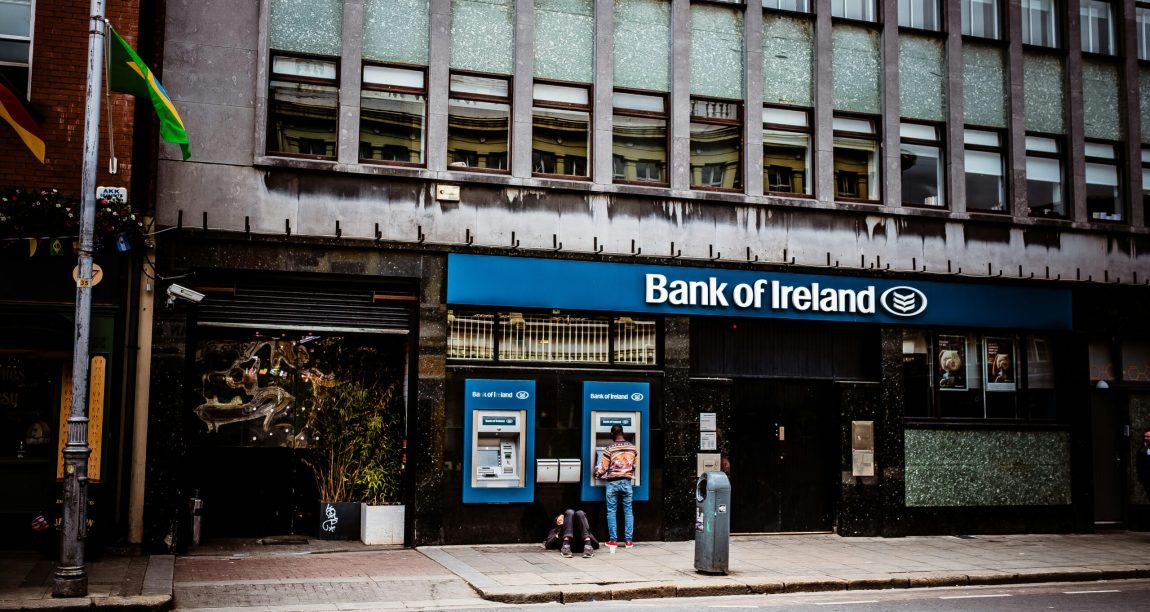
In its latest Quarterly Economic Outlook, Bank of Ireland has signalled a period of adjustment for the Irish economy, forecasting lower growth but crucially, no recession. This analysis offers a vital steer for businesses, homeowners, and entrepreneurs navigating a complex global environment. While headlines may focus on the slowdown, the underlying story is one of resilience and adaptation in the face of inflationary pressures and rising interest rates.
The report provides a nuanced picture of an economy shifting gears from a phase of rapid, post-pandemic recovery to a more sustainable, albeit slower, pace of growth. Let’s explore the key takeaways and what they mean for different sectors across the country.

The Big Picture: A Controlled Slowdown
According to Bank of Ireland’s analysis, the primary factors tempering growth are persistent inflation and the European Central Bank’s (ECB) interest rate hikes, which are designed to cool price pressures. These measures, while necessary, inevitably impact consumer spending and business investment.
However, the forecast is not one of doom and gloom. The key points include:
- Modified Domestic Demand (MDD): This is a crucial metric that measures the underlying strength of the local economy. While its growth is expected to slow, it remains in positive territory, indicating continued domestic economic activity.
- Inflation: While still high, inflation is projected to ease over the coming year, which should alleviate some of the cost-of-living pressures on households.
- No Technical Recession: The outlook confirms that while growth is moderating, the economy is expected to avoid a technical recession (defined as two consecutive quarters of negative GDP growth).
This managed slowdown is largely supported by a robust labour market, a factor that continues to be the bedrock of Ireland’s economic stability. You can explore more detailed data on Ireland’s economic performance through the Central Bank of Ireland’s statistics.
Why Ireland is Expected to Avoid Recession
Several key strengths underpin the economy’s resilience, preventing a sharper downturn. Understanding these pillars is crucial for any business leader or investor planning their strategy for the year ahead.
A Strong Labour Market
Ireland’s employment figures remain exceptionally strong. The unemployment rate is near historic lows, indicating that the vast majority of people who want a job have one. This high employment level supports consumer confidence and spending, even as budgets tighten. The latest figures from the Central Statistics Office (CSO) show a labour market that is at or near full employment, providing a powerful buffer against recessionary forces.
Healthy Household Savings
Many households accumulated significant savings during the pandemic when spending opportunities were limited. This savings buffer is now helping to cushion the impact of inflation and higher interest rates, allowing consumer spending to remain more stable than it might otherwise have been.
Continued Multinational Performance
The multinational sector, a cornerstone of the Irish economy, continues to perform well. While the global tech industry has seen some adjustments, the pharmaceutical, medical device, and financial services sectors remain robust, contributing significantly to exports and high-value employment.
Implications for Key Industries
This economic forecast has different implications for various sectors. Here’s a practical breakdown for businesses, property owners, and startups.
Business and Entrepreneurship
Existing businesses face a dual challenge: managing rising input costs (energy, raw materials, wages) while navigating potentially softer consumer demand. The focus now shifts from rapid growth to efficiency, cost control, and value proposition. Companies that can innovate to improve productivity or offer clear value will be best placed to thrive. For entrepreneurs, this environment may present opportunities to launch businesses that solve new problems related to cost savings, sustainability, and digitalisation.
The Property Market
The property sector is directly impacted by rising interest rates. Higher mortgage costs are expected to cool demand and temper house price growth after years of rapid increases. This may bring some relief for first-time buyers who have been priced out of the market, but it also means existing homeowners on tracker or variable rates will face higher monthly repayments. The market is transitioning from a seller’s market to a more balanced environment.
Startups and Technology
For startups, the environment is mixed. The venture capital funding landscape has become more cautious, with investors placing a greater emphasis on profitability and sustainable business models over growth at all costs. However, this shift can also be an advantage for resourceful and efficient startups. There are significant opportunities for a startup that is developing technology to enhance productivity, reduce energy consumption, or streamline business operations.
Branding in a Shifting Climate: RTÉ’s Sonic Refresh
In a fascinating aside that reflects how brands adapt to changing times, national broadcaster RTÉ recently unveiled a new suite of jingles and sonic branding for its radio stations. While seemingly a minor update, it’s a strategic investment in brand identity. In an economic climate where consumers are more discerning, having a strong, recognisable brand is more important than ever.
This move highlights a key business principle: marketing and branding are not just costs to be cut during a slowdown. They are vital investments in maintaining customer connection and market position. A sonic identity—the “sound” of a brand—can create a powerful, subconscious connection with an audience. It’s a reminder that even as businesses focus on balance sheets and operations, maintaining a strong and positive brand presence is essential for long-term health and navigating the economic cycle.
In conclusion, the Bank of Ireland’s forecast is one of cautious optimism. The path ahead involves navigating challenges, but the Irish economy’s fundamental strengths—particularly its skilled workforce and adaptable business sector—position it well to weather the storm and emerge resilient.