

The real estate market is in a constant state of flux, but one timeless strategy for wealth creation is investing in the future. For savvy buyers and investors, upcoming property projects represent a golden opportunity to get in on the ground floor of the next big thing. These developments, often designed with modern needs in mind, can offer significant returns on investment and a superior quality of life. However, navigating this landscape requires foresight, research, and a clear understanding of what makes a project a winner. This guide provides practical insights into identifying, evaluating, and investing in upcoming properties.
Why Invest in Upcoming Property Projects?
Investing in a property before it’s built or in the early stages of construction can feel like a leap of faith, but the potential rewards are substantial. The primary advantage is capital appreciation. Early investors often benefit from introductory pricing, and as the project develops and the surrounding infrastructure matures, the property’s value can increase significantly by the time of completion. According to market analysis, properties bought during a pre-launch phase can see an appreciation of 20-30% or more by the time they are ready for possession. Furthermore, new projects are built to the latest construction standards and often include state-of-the-art amenities like smart home features, eco-friendly designs, and community-centric facilities that are highly attractive in today’s market.
Key Factors to Spot a Winning Project
Not all upcoming projects are created equal. Due diligence is critical to separate the promising investments from the potential pitfalls. Here are the core factors to consider:
1. Location, Connectivity, and Infrastructure
The age-old mantra of “location, location, location” could not be more relevant. An upcoming project’s value is intrinsically linked to its present and future connectivity. Look for developments near existing or planned transportation hubs, such as metro lines, highways, and airports. Proximity to business districts, educational institutions, healthcare facilities, and retail centers is equally crucial. A project may seem isolated now, but if there’s a government-backed infrastructure plan for the area—like a new economic corridor or IT park—it could become a prime location in a few years. Reputable sources like the Urban Land Institute’s Emerging Trends in Real Estate® report often highlight regions with high growth potential.
2. Developer Reputation and Track Record
The credibility of the developer is a non-negotiable checkpoint. A reputable developer with a history of delivering high-quality projects on time is a much safer bet. Before investing, research the developer’s past projects. Visit them if possible to assess construction quality and maintenance. Check for a clean track record regarding legal clearances, project approvals, and customer feedback. A strong reputation minimizes risks related to project delays, subpar construction, or legal complications.

3. The Master Plan and Amenities
A great project is more than just a collection of buildings; it’s a well-planned community. Scrutinize the master plan. Does it include green spaces, recreational facilities, retail outlets, and adequate parking? A thoughtfully designed project that promotes a holistic lifestyle is more likely to attract tenants and buyers, ensuring sustained demand and rental income. Modern buyers look for amenities that enhance their quality of life, such as swimming pools, gyms, co-working spaces, and children’s play areas.
Your Due Diligence Checklist
Once you’ve shortlisted a project, it’s time for a deep dive. A systematic approach to due diligence can save you from future headaches and financial loss.
- Verify Legal Status: Ensure the project has all necessary approvals from local authorities. Check the title deed to confirm the developer has legal ownership of the land.
- Review Project Documents: Carefully read the builder-buyer agreement, the project’s brochure, and the floor plans. If anything is unclear, consult with a real estate lawyer.
- Understand the Financial Plan: Be clear on the payment schedule. Many upcoming projects use a construction-linked plan, where you pay in installments as construction milestones are met. For a deeper understanding of financing options, resources like Investopedia’s mortgage guide can be very helpful.
- Assess the Total Cost: The advertised price is just the beginning. Factor in additional costs like registration fees, stamp duty, maintenance charges, and taxes to understand the total financial outlay.
Hotspots for Future Growth: Where to Look
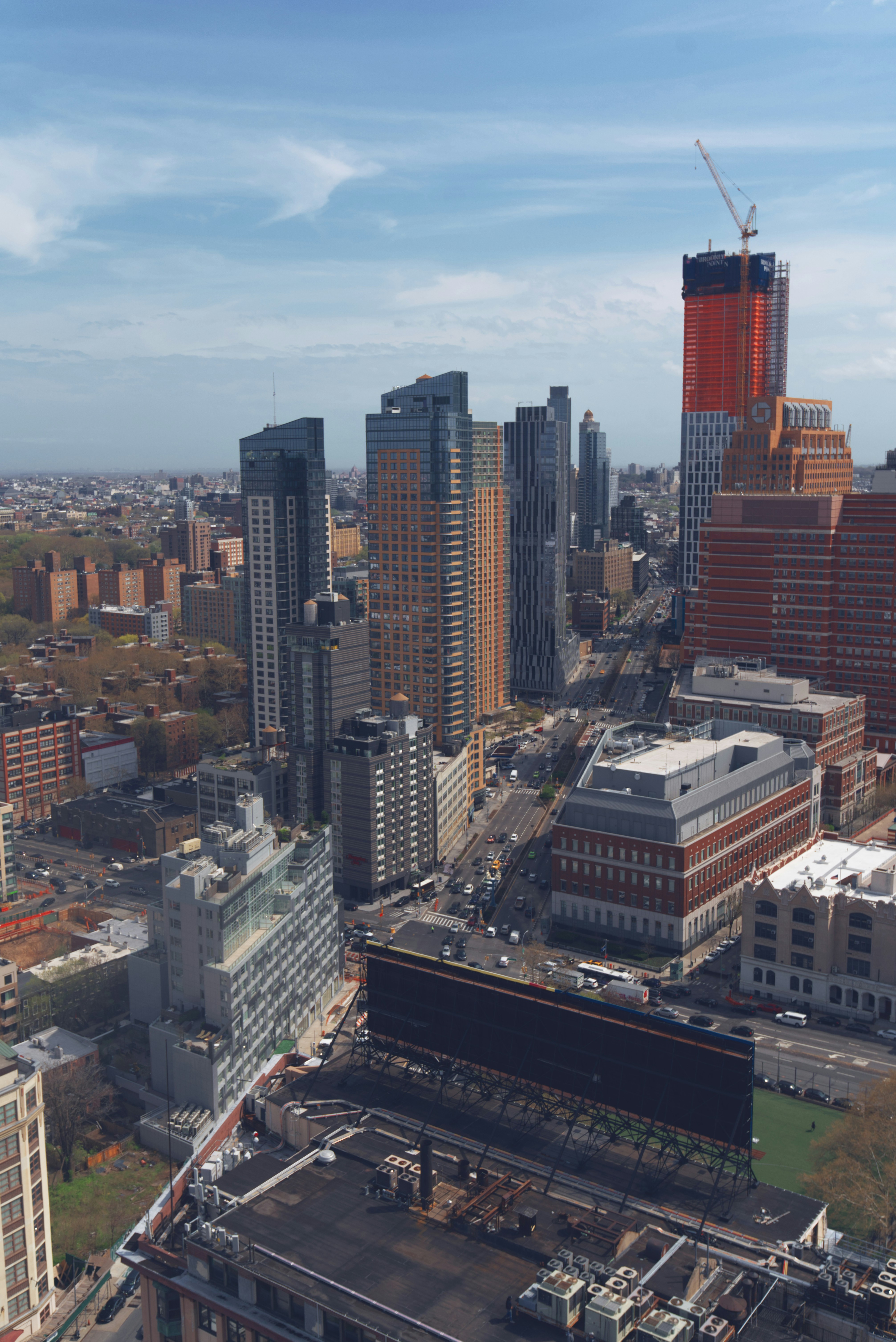
While specific hotspots vary by country and city, a general rule is to look for areas on the cusp of transformation. These are often peripheral areas of major metropolitan cities that are benefiting from urban expansion and new infrastructure. Tier-2 cities with growing IT sectors, manufacturing hubs, and improving infrastructure are also becoming attractive investment destinations. Government initiatives like the development of smart cities or special economic zones (SEZs) are strong indicators of future growth. Keeping an eye on reports from major real estate consultants and National Association of Realtors (NAR) data can provide valuable insights into emerging markets.
Conclusion: Building Your Future Portfolio
Investing in upcoming property projects is a forward-looking strategy that can yield significant financial rewards. It allows you to enter the market at a lower price point and benefit from appreciation as the project and its surroundings develop. However, this path requires more than just capital; it demands thorough research, careful planning, and a clear vision of the future. By focusing on credible developers, strategic locations, and comprehensive due diligence, you can make informed decisions that turn today’s blueprints into tomorrow’s valuable assets. With the right approach, you are not just buying a property—you are investing in a future of growth and opportunity.