
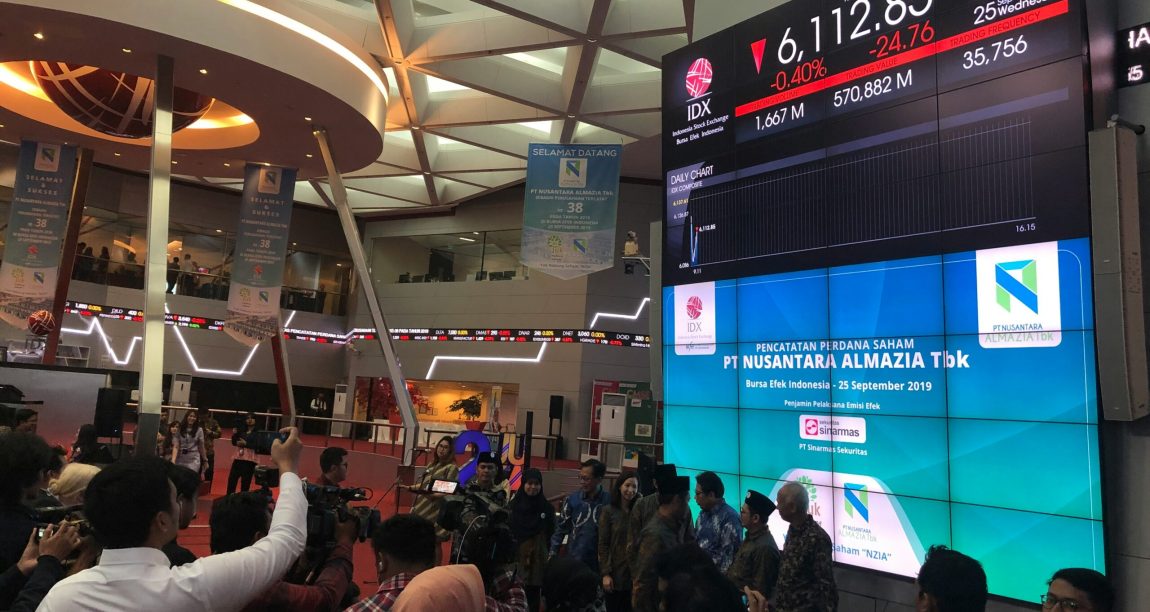
The Unstoppable Rise of Gaming in Southeast Asia
Southeast Asia has rapidly transformed into a global hotspot for the gaming industry, with market revenues soaring and player engagement reaching unprecedented levels. According to a report by Niko Partners, the region’s gaming market is a multi-billion dollar powerhouse, driven by a young, digitally-native population. This explosive growth presents a golden opportunity for brands, but navigating this diverse and dynamic landscape is more complex than it appears.
While countries like Vietnam, Thailand, and the Philippines are significant players, Indonesia has emerged as the undisputed leader, commanding the largest share of the region’s gaming audience and revenue. Its massive population, coupled with increasing internet penetration and smartphone adoption, makes it the epicenter of Southeast Asia’s gaming revolution. However, many international brands are failing to capture this potential, largely due to a critical oversight: ineffective localisation.
Why Indonesia is the Market to Watch
Understanding Indonesia’s dominance requires looking at the numbers. The country is home to over 275 million people, with a median age of just under 30. This demographic is prime for mobile gaming, which accounts for the vast majority of the market. Projections from Statista indicate that the number of gamers in Indonesia is expected to surpass 100 million, making it one of the largest gaming communities in the world.
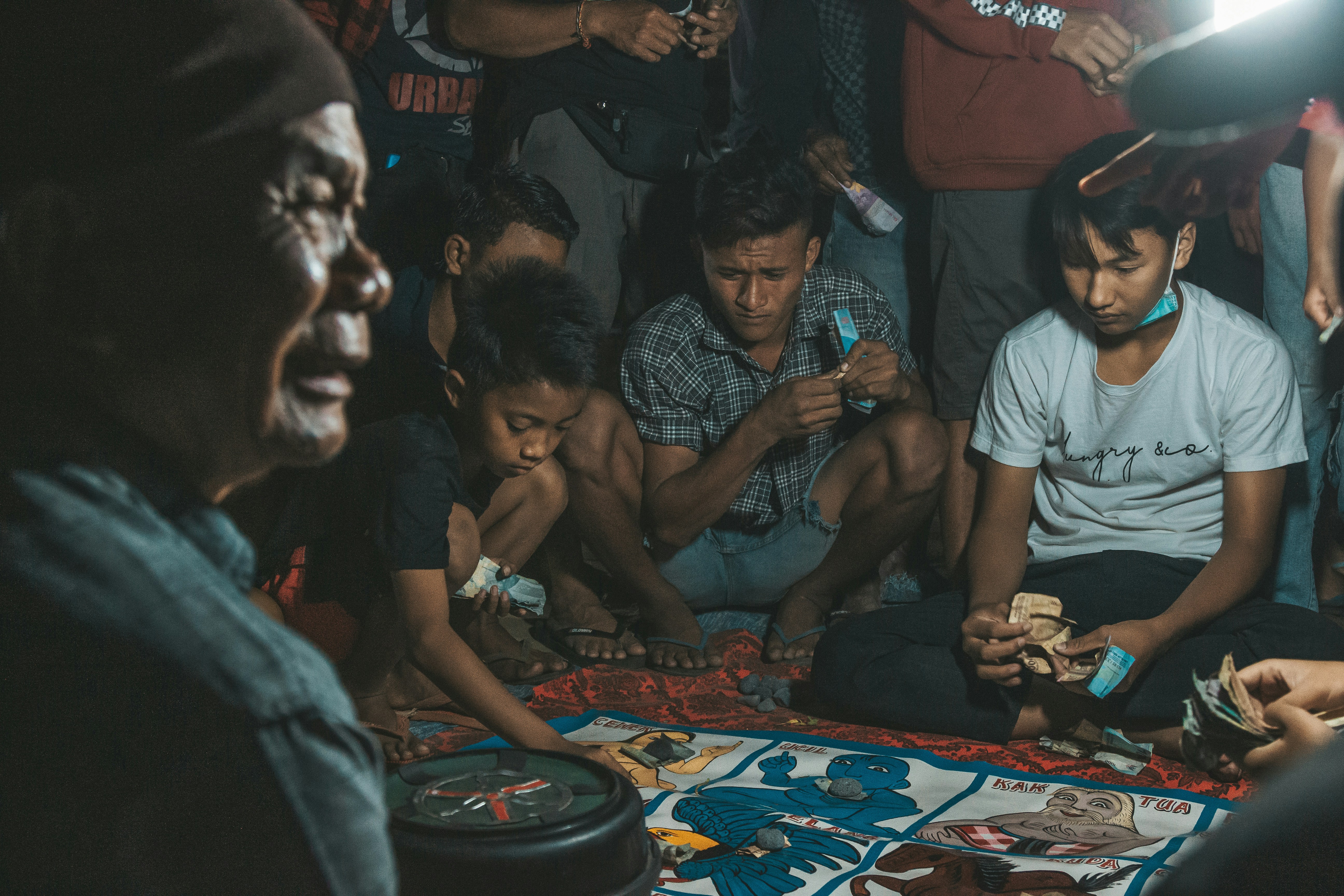
Several factors contribute to this boom:
- Mobile-First Economy: For many Indonesians, a smartphone is their primary and only gateway to the internet. This has made mobile gaming incredibly accessible and has fueled the popularity of free-to-play titles with in-app purchases.
- Thriving Esports Scene: Esports is not just a niche hobby in Indonesia; it’s a mainstream phenomenon. Major tournaments draw huge crowds and significant media attention, creating a vibrant ecosystem for professional players, teams, and sponsors.
- Digital Payment Adoption: The rise of e-wallets like GoPay, OVO, and DANA has simplified in-game transactions, overcoming the barrier of low credit card penetration that once hindered market growth.
The Localisation Gap: Where Global Brands Go Wrong
Despite the clear opportunity, many brands approach Indonesia with a one-size-fits-all strategy, applying the same marketing playbook they use in Western markets. This approach consistently fails because it overlooks the deep cultural and logistical nuances of the Indonesian market. Success isn’t just about translating language; it’s about translating the entire brand experience.
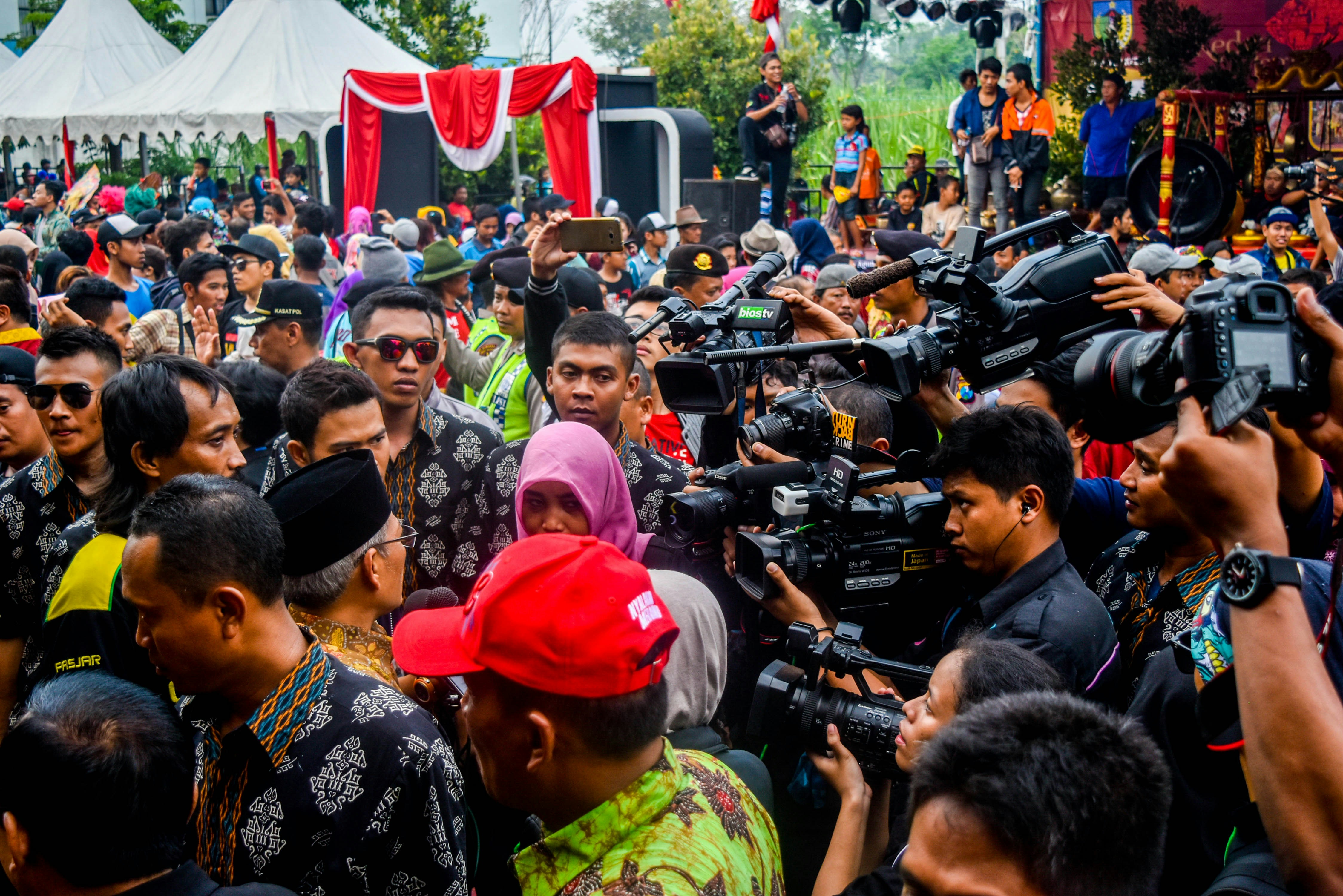
Language and Cultural Nuances
A direct translation of marketing copy from English to Bahasa Indonesia often results in sterile and unrelatable content. Indonesian communication is rich with local slang, humor, and cultural references that resonate deeply with the audience. Furthermore, brands must be acutely aware of cultural and religious sensitivities, particularly in a country with the world’s largest Muslim population. A campaign that works in Europe could be tone-deaf or even offensive in Indonesia.
Payment and Accessibility
One of the most common technical failures is a lack of localized payment options. As highlighted by a report from J.P. Morgan, digital wallets are the leading e-commerce payment method in Indonesia. Forcing users to pay with a credit card—an option unavailable to a large portion of the population—is a guaranteed way to lose customers at the point of sale. Integrating with popular local e-wallets is not optional; it is essential.
Ignoring Local Influencers and Communities
Brands often partner with global gaming influencers, assuming their reach will translate to the Indonesian market. However, local gamers are far more likely to trust and engage with Indonesian streamers, content creators, and esports personalities who understand their culture and speak their language. Failing to build relationships with this local talent means missing a direct line to the heart of the gaming community.
A Blueprint for Success: Unlocking the Indonesian Market
Brands that succeed in Indonesia do so by investing in deep localisation. They treat Indonesia not as a single entry in a broad “APAC” strategy, but as a unique market with its own distinct ecosystem. Here are the keys to an effective strategy:
- Hyper-Localize Your Message: Hire local marketing teams or agencies who understand the cultural zeitgeist. They can help craft campaigns that use relevant slang, humor, and themes that connect with the Indonesian audience on an emotional level.
- Integrate Local Payment Systems: Prioritize the integration of GoPay, OVO, DANA, and bank transfers into your payment gateways. Make the transaction process as seamless and familiar as possible for the local user.
- Collaborate with Indonesian Talent: Identify and build long-term partnerships with Indonesian gaming influencers, streamers on platforms like YouTube and TikTok, and professional esports teams. These collaborations provide authenticity and credibility that global campaigns cannot match.
- Build a Genuine Community: Create dedicated Indonesian social media channels and hire local community managers. Engage with players in their native language, run local events and promotions, and provide customer support that understands their specific needs.
- Adapt Your Product: Consider creating market-specific in-game items, events, or characters that celebrate Indonesian culture, such as promotions around national holidays like Ramadan or Independence Day.
Conclusion: The Future Belongs to the Localised
The Indonesian gaming market is no longer an emerging opportunity; it is a present-day powerhouse. Its scale and passion are unmatched in Southeast Asia, offering incredible potential for brands willing to put in the effort. However, success is not achievable from a distance. The companies that will win are those that move beyond simple translation and embrace true localisation—investing in local teams, adapting their products, and speaking to Indonesian gamers in a voice they recognize as their own. For brands that get it right, the reward is access to one of the most vibrant and loyal gaming communities in the world.