

In a competitive and often unpredictable retail landscape, TJX Companies, the parent of T.J. Maxx, Marshalls, and HomeGoods, consistently demonstrates remarkable strength. While other retailers struggle, TJX continues to post strong sales and capture more of the market. According to a recent research note from Bank of America, the company’s success isn’t an accident—it’s the result of a finely tuned, three-pronged strategy focused on merchandising, marketing, and the in-store experience. This powerful combination creates a durable competitive advantage that keeps customers returning.
This article explores the core components of the TJX business model. We will dissect how the company’s opportunistic buying, brand-focused marketing, and unique store environment work together to fuel its impressive performance and what other businesses can learn from its approach.
The “Treasure Hunt” Merchandising Model
The foundation of TJX’s success is its off-price merchandising strategy. Unlike traditional retailers that buy merchandise months in advance, TJX employs a global team of over 1,200 buyers who source products from more than 21,000 vendors in over 100 countries. This allows them to opportunistically purchase high-quality, brand-name goods at a significant discount. These items can be anything from designer overstocks and manufacturing overruns to canceled orders from other retailers.
The result is a compelling value proposition for consumers: well-known brands at prices typically 20% to 60% below traditional retail. This strategy creates what customers famously call the “treasure hunt.” Key elements of this model include:
- Rapid Inventory Turnover: TJX stores receive multiple shipments per week, and the product assortment is constantly changing. This creates a sense of urgency and excitement, encouraging shoppers to visit frequently to see “what’s new.” If they don’t buy an item when they see it, it likely won’t be there on their next visit.
- Flexible Purchasing: The company’s buyers are empowered to make quick purchasing decisions, allowing them to capitalize on fleeting opportunities in the marketplace. This agility is a significant advantage over slower-moving competitors. You can learn more about their unique business model on the official TJX website.
- Brand Diversity: By sourcing from thousands of vendors, TJX offers an eclectic mix of brands and products under one roof, from high-end fashion to everyday essentials. This broad appeal attracts a wide demographic of shoppers looking for value across different categories.
Marketing That Sells an Experience, Not Just a Product
Because its inventory is so dynamic, TJX’s marketing strategy wisely avoids focusing on specific products. You won’t see a flyer advertising a particular style of handbag or brand of cookware. Instead, the company markets the *experience* of discovery and the thrill of finding a great deal. This brand-level approach builds a loyal community and drives consistent foot traffic.

This strategy is executed through several key channels:
- Encouraging User-Generated Content: TJX has successfully cultivated a community of “Maxxinistas”—loyal shoppers who proudly share their finds on social media. This authentic, word-of-mouth marketing is incredibly powerful and reinforces the “treasure hunt” concept.
- Focus on Brand, Not Items: Television commercials and digital ads feature shoppers celebrating their scores, emphasizing the feeling of victory rather than the items themselves. This emotional connection builds a stronger brand identity.
- Creating a Loyal Following: By consistently delivering on its promise of value and discovery, TJX’s marketing doesn’t just aim for a single transaction. It aims to create a lifelong customer who makes visiting their stores a regular part of their shopping routine. This focus on loyalty has been covered extensively in publications analyzing retail trends.
A No-Frills, High-Impact Store Experience
The physical layout of a TJX store is a critical, and intentional, part of its success. While some may perceive the stores as chaotic, the environment is carefully designed to encourage browsing and discovery, directly supporting the “treasure hunt” model. Rather than organizing merchandise by brand, items are grouped by category, compelling customers to sift through entire racks to find hidden gems.
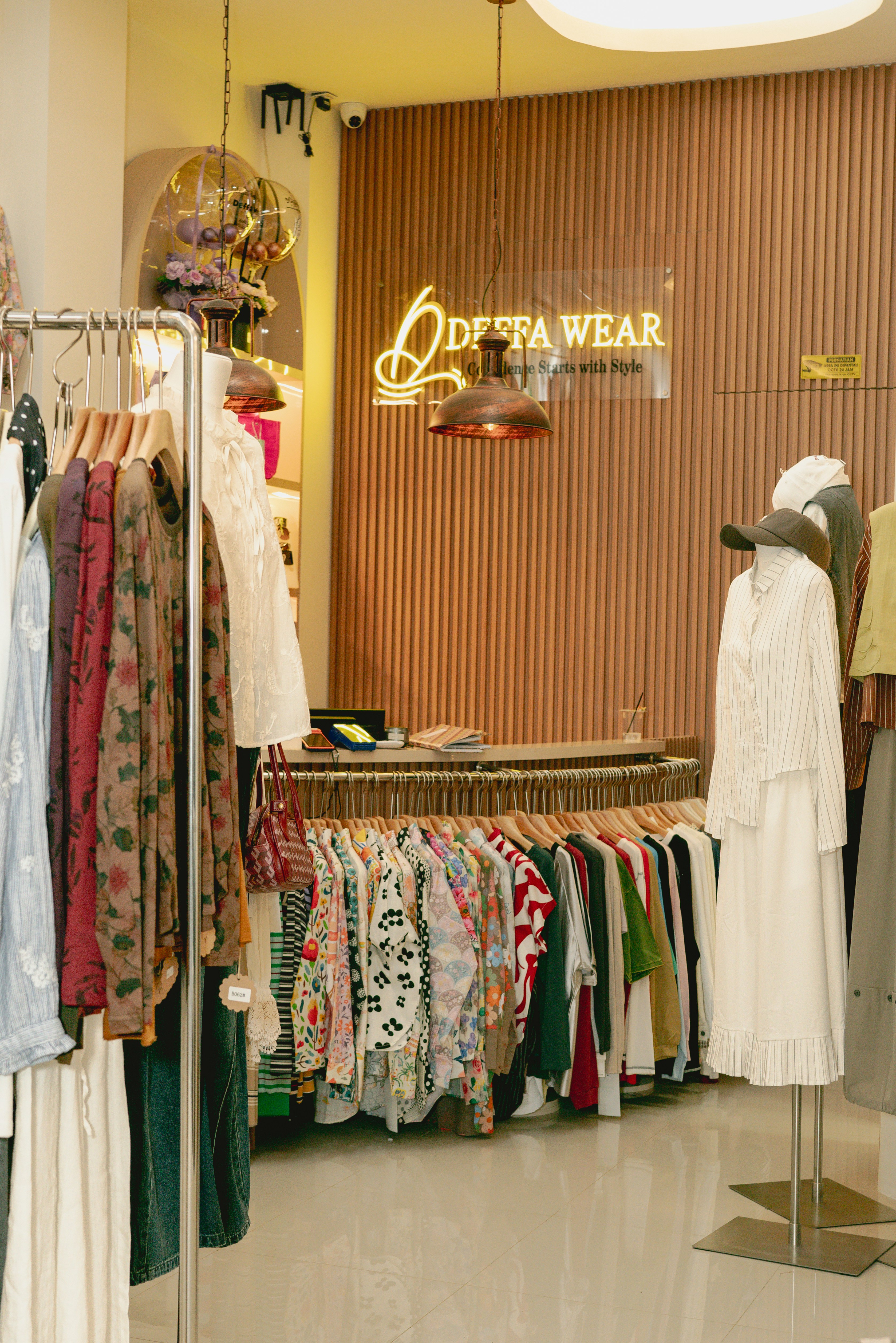
This in-store strategy is defined by:
- Layout for Discovery: The lack of brand-specific sections or elaborate displays means shoppers engage more deeply with the merchandise. This increases the time spent in-store and the potential for impulse buys.
- Operational Efficiency: A no-frills approach with polished concrete floors and simple fixtures keeps operational costs low. These savings are passed on to the consumer, reinforcing the company’s value proposition.
- Strategic Checkout Queues: The long checkout lines are famously flanked by a wide array of low-priced, high-margin goods, turning waiting time into additional shopping time and boosting basket sizes.
This focus on an efficient and engaging physical footprint has proven so successful that TJX continues to open new stores, a strategy that stands in stark contrast to the many retailers downsizing their physical presence.
Why the TJX Model Continues to Win
The synergy between TJX’s merchandising, marketing, and store operations creates a powerful and resilient business model. As noted by financial analysts and confirmed by years of strong performance, this approach allows the company to gain market share from various competitors, including department stores, specialty retailers, and even e-commerce sites. As reported by sources like Reuters, the company has a long track record of positive comparable store sales, demonstrating its enduring appeal.
The model is uniquely positioned to thrive in any economic condition. During economic downturns, consumers flock to off-price retailers for savings. In strong economies, the thrill of the “treasure hunt” and the appeal of finding a designer bargain keep affluent shoppers coming back. This wide appeal gives TJX a defensive and offensive advantage that few retailers can match.
The Takeaway: A Lesson in Value and Execution
TJX Companies’ success offers a clear lesson for any business: a well-defined value proposition, executed with relentless consistency, is the key to sustainable growth. The company has masterfully aligned its buying processes, marketing messages, and physical stores to deliver on a single promise: a rewarding treasure hunt for high-quality brands at unbeatable prices.
While many retailers chase fleeting trends, TJX has remained disciplined, focusing on what it does best. By perfecting its off-price model, it has built a loyal customer base and a formidable position in the market that continues to deliver strong results, quarter after quarter.