
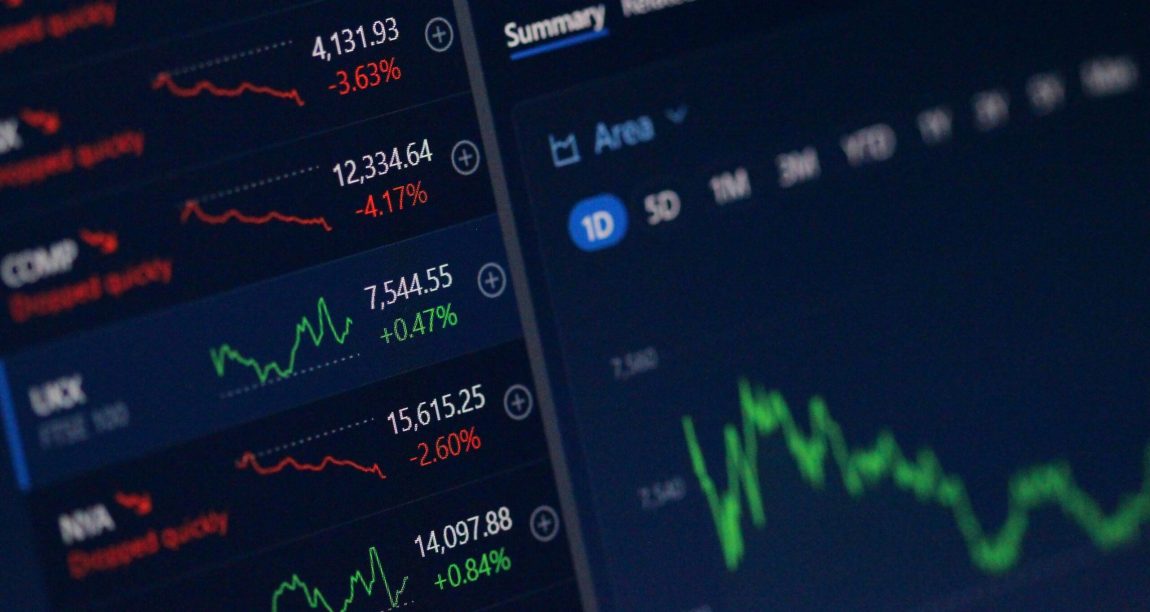
Investors in the Indian stock market are waking up to a mixed bag of signals from across the globe. While domestic sentiment appears cautiously optimistic, influenced by key indicators like the GIFT Nifty, the broader picture is shaped by fluctuating Asian markets, a mixed close on Wall Street, and shifting commodity prices. Understanding these interconnected factors is crucial for navigating the market’s opening moments and making informed decisions throughout the day.
Today’s session is likely to be influenced by a combination of global trends and domestic developments. From the performance of tech stocks in the US to the price of crude oil, here’s a detailed breakdown of the seven key cues steering the Indian markets at this hour.
Global Cues Signal a Cautious but Positive Start
The sentiment from international markets provides the first clues for how the Nifty 50 and Sensex might behave at the opening bell. While the primary domestic indicator is pointing upwards, the sentiment from other major economies urges a degree of caution.
1. GIFT Nifty Indicates a Positive Opening
The most direct signal for India’s market open, the GIFT Nifty, is trading in positive territory. As an early indicator of the Nifty 50’s direction, its upward movement suggests that the Indian market is likely to open with gains. GIFT Nifty, which trades on the NSE International Exchange (NSE IX) in Gujarat’s GIFT City, provides a pre-market sentiment reading that is closely watched by traders. A positive open often sets a confident tone for the rest of the trading session, though it’s not a guarantee of sustained gains.
2. Mixed Performance in Asian Markets
Looking at the broader Asian region, the picture is less clear. Japan’s Nikkei 225 has shown modest gains, while Hong Kong’s Hang Seng index is trading with some pressure. Other regional markets are also displaying mixed trends. This lack of a unified direction across Asia suggests that investors are weighing different economic data points and regional challenges. Indian markets are often correlated with their Asian peers, and this divergence could lead to some volatility as the day progresses.
3. US Markets Close Mixed, Tech Stocks Under Pressure
Overnight, US markets delivered a split verdict. While the Dow Jones Industrial Average managed to close higher, the tech-heavy Nasdaq Composite saw a decline. This weakness in technology stocks is a significant development for the Indian market, particularly for its robust IT services sector. Companies like Infosys, TCS, and Wipro often take their cues from the Nasdaq. The underperformance of US tech giants could dampen enthusiasm for Indian IT stocks at the open.

Key Economic Indicators to Monitor
Beyond stock indices, crucial economic metrics related to currencies and commodities are also shaping investor sentiment. These factors have a real-world impact on inflation, corporate earnings, and foreign investment flows.
4. US Dollar and Rupee Dynamics
The US Dollar Index (DXY), which measures the dollar’s strength against a basket of major currencies, has slightly weakened. A softer dollar is generally seen as a positive for emerging markets like India. It can make Indian assets more attractive to foreign portfolio investors (FPIs), potentially leading to increased inflows. The movement of the USD/INR currency pair will be a key factor to watch, as a stronger rupee can also help curb imported inflation.
5. Crude Oil Prices Decline
In a significant positive for the Indian economy, crude oil prices have fallen. As one of the world’s largest importers of oil, lower crude prices help reduce India’s import bill, ease inflationary pressures, and lower input costs for many industries, including paints, chemicals, and aviation. Brent crude futures, the global benchmark, trading lower provides a much-needed tailwind for the market. You can track live commodity prices on reputable financial sites like Bloomberg.
6. Gold Rates Edge Higher
In contrast to oil, gold prices are trading higher. Gold is traditionally seen as a safe-haven asset, and a rise in its price can sometimes indicate underlying investor anxiety about economic stability. The current increase seems linked to the slightly weaker US dollar. While not a direct headwind for equities, rising gold prices suggest that some investors are hedging their bets amidst the mixed global signals.

Domestic Factors and a Practical Checklist
While global cues set the initial tone, domestic events and policies will ultimately steer the market’s long-term direction. Investors should remain aware of ongoing developments that could create opportunities or risks.
7. Focus on Domestic Policy and Trade News
Market participants are keeping a close watch on any news related to the India-US trade deal and future policy announcements from the government. Official data and policy frameworks from sources like the Ministry of Commerce and Industry can have a direct impact on specific sectors. Furthermore, as the market looks ahead, expectations surrounding the Union Budget will begin to build, influencing sentiment in sectors tied to government spending and taxation.
A Practical Checklist for Investors Today
To navigate the opening, consider this simple checklist:
- Check GIFT Nifty: Observe its final trend just before the Indian market opens at 9:15 AM IST.
- Scan Asian Markets: Note the performance of the Nikkei, Hang Seng, and Shanghai Composite.
- Watch US Stock Futures: Their movement during Asian trading hours provides clues about Wall Street sentiment.
- Monitor USD/INR: Keep an eye on the currency pair for signs of foreign fund activity.
- Track Crude Oil: Lower prices are a positive catalyst for the broader market.
- Follow Key Stocks: Pay special attention to the IT sector due to the Nasdaq’s weakness and energy stocks in response to oil prices.
Conclusion
The Indian stock market is poised for a potentially positive opening, largely driven by the encouraging signals from the GIFT Nifty and supportive crude oil prices. However, the cautionary notes from mixed Asian markets and a weak US tech sector performance suggest that the session may be volatile. Investors should adopt a balanced approach, staying informed on these global and domestic cues to strategically navigate the trading day ahead.